Maximum favorable excursion (MFE): какую часть движения вы сохранили
MFE — наибольший ценовой P&L, которого сделка достигла за время открытой позиции. Сравните его с реализованным ценовым P&L и запланированным Take Profit, чтобы увидеть, какую часть каждого движения вы сохранили.
·6 мин чтения·Dennis Jahn·#Метрики#Playbook#Глоссарий
Торговля связана с риском. Tradeways предоставляет программное обеспечение для ведения торгового журнала и аналитики, а не инвестиционные рекомендации. Ознакомиться с информацией о рисках.
Мы используем файлы cookie, включая аналитические, для улучшения Tradeways. · Конфиденциальность
Maximum favorable excursion (MFE) — наибольший рассчитанный ценовой P&L, которого сделка достигла за время открытой позиции; начальное значение — ноль. Показатель отражает, насколько далеко позиция ушла в вашу пользу до закрытия, независимо от того, завершилась сделка прибылью или убытком.
MFE полезнее всего рядом с двумя другими числами: реализованным ценовым P&L и Take Profit, запланированным при входе. Разделите реализованный ценовой P&L на MFE, чтобы увидеть, какую часть движения вы сохранили. Разделите MFE на запланированное расстояние до цели, чтобы увидеть, как далеко сделка продвинулась к цели. Затем сравните оба отношения по сделкам с одним Setup и решите, что пересмотреть: выходы или расстановку цели. Аналогичный показатель для неблагоприятной стороны — maximum adverse excursion.
MFE — самая высокая точка ценового P&L сделки между входом и выходом.
Tradeways воспроизводит исполнения сделки на 1-секундных ценовых барах. Для каждого бара, пока позиция открыта, рассчитывается ценовой P&L в благоприятном экстремуме бара: на максимуме для сделки Long и на минимуме для сделки Short. Также рассчитывается ценовой P&L по цене каждого исполнения. MFE — наибольшее из этих значений.
Три детали влияют на то, как читать число:
MFE начинается с нуля и никогда не бывает отрицательным. У сделки Long, которая ни разу не торговалась выше цены входа, или у сделки Short, которая ни разу не торговалась ниже неё, MFE равен 0.
Наращивание и частичное закрытие учитываются. Расчёт прибавляет реализованный ценовой P&L уже закрытых частей к меняющемуся P&L частей, которые ещё открыты. В сделке с частичными выходами одной самой высокой цены на графике может быть недостаточно, чтобы воспроизвести MFE.
MFE основан на цене. Комиссии и корректировки в расчёте не участвуют. Сравнивайте его с ценовыми расстояниями и реализованным ценовым P&L, а не с чистым результатом после комиссий.
В деталях сделки MFE показан вместе со временем, через которое он был достигнут после входа. В журнале сделок есть столбец MFE. В зависимости от режима отображения MFE показан в Tick или в денежных единицах; в обоих случаях он относится ко всей позиции, а не к одной единице. Последний бар, который учитывает MFE, — 1-секундный бар, содержащий исполнение вашего выхода. Как далеко цена прошла после закрытия — отдельный показатель, maximum continuation excursion.
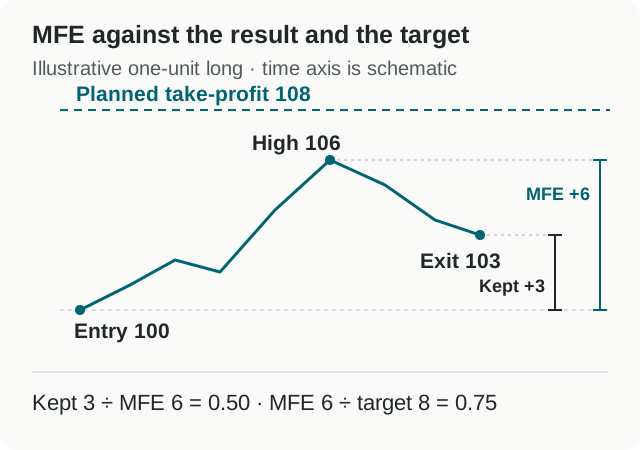
Рассмотрим условную сделку Long. Количество равно единице, размер Tick — одной ценовой единице, комиссий нет.
Вход по 100, запланированный Take Profit — 108: восемь Tick запланированной цели.
Самая высокая цена за время открытой позиции — 106, достигнута через четыре минуты после входа.
Take Profit оставался на 108 всю сделку.
Выход по 103.
Условная сделка. Сделка прошла 6 Tick в вашу пользу, сохранила 3 из них и не дошла до запланированного Take Profit на 2 Tick.
Измерение
Расчёт
Результат
MFE
106 − 100
+6
Реализованный ценовой P&L
103 − 100
+3
Коэффициент захвата
3 ÷ 6
0.50
Запланированное расстояние до цели
108 − 100
8
MFE ÷ запланированная цель
6 ÷ 8
0.75
Коэффициент захвата — это реализованный ценовой P&L, делённый на MFE. Эта сделка закрылась с прибылью в три Tick и отдала остальные три Tick, которых достигла. MFE ÷ запланированная цель показывает второй факт: сделка ни разу не дошла до Take Profit, поэтому цель не определила этот выход.
Для позиции больше одной единицы сравнивайте сопоставимые величины. MFE относится ко всей позиции, поэтому сравнивайте его с расстоянием до цели, умноженным на количество, или сравнивайте денежные значения.
По одной сделке нельзя сказать, хорошо ли расставлены правило выхода или цель. Соберите сделки одного Setup с одним правилом выхода и рассчитайте оба отношения для каждой. Пять сделок ниже условные и используют одну и ту же запланированную цель в восемь Tick. Коэффициент захвата показан только для сделок, закрывшихся с прибылью; для убыточной он отрицательный, а при MFE, равном 0 (сделка E), не определён и мало говорит о выходе.
Сделка
MFE
Реализованный ценовой P&L
Коэффициент захвата
MFE ÷ запланированная цель
A
+6
+3
0.50
0.75
B
+8
+8
1.00
1.00
C
+2
−4
убыток
0.25
D
+7
+1
0.14
0.88
E
0
−4
убыток
0.00
Сделка B дошла до Take Profit и закрылась по нему. Сделки A и D прошли большую часть пути к цели и сохранили половину достигнутого или меньше. Сделка C была в плюсе на два Tick, а затем закрылась с убытком. Сделка E ни разу не торговалась выше цены входа.
Пяти сделок недостаточно, чтобы менять правило. По мере роста выборки одного Setup смотрите, где собираются отношения:
Что видно в отношениях
Что проверить
Много прибыльных сделок с низким коэффициентом захвата
Как эти сделки были закрыты. Проверьте, следовал ли выход вашему правилу, например трейлинг-стопу или ограничению по времени, или произошёл раньше, чем правило требовало.
MFE ÷ запланированная цель в основном заметно ниже 1.0
Не расположена ли цель дальше, чем обычно заканчиваются движения этого Setup. Прежде чем менять цель, проверьте другую цель на прошлых сделках и запишите, что проверка гипотетическая.
MFE ÷ запланированная цель на уровне 1.0 или выше без заполнения
История Take Profit в этой сделке. Найдите причину, например: цель передвинули или убрали либо лимитная заявка не исполнилась, когда цена коснулась уровня.
Убыточные сделки с заметным MFE
Есть ли в вашем плане правило для открытой прибыли, например перенос стопа. Одна возможная причина убытка — отсутствие такого правила; Setup также мог не сработать после обычного движения в вашу пользу.
Захват немного ниже 1.0, когда вы вышли по самой высокой цене
Исполнение выхода. Поскольку MFE использует 1-секундные бары, бар, содержащий выход, может торговаться немного дальше цены исполнения.
Низкий захват в сделках с частичными выходами
Какие части были ещё открыты на пике и где вы их закрыли. MFE мог достичь пика, когда было открыто больше частей, чем при ваших более поздних выходах; части, закрытые после пика по более низким ценам, снижают отношение.
Это вопросы для разбора, а не вердикты. Низкий коэффициент захвата — не доказательство плохого выхода, а высокий — не доказательство хорошего.
Откройте сделку в Tradeways и последовательно проверьте:
Прочитайте историю Take Profit и Stop Loss. Уровень, который передвинули, заменили или убрали при открытой сделке, меняет цель, с которой вы сравниваете. Используйте Take Profit, запланированный при входе, а любое изменение записывайте отдельно.
Откройте пояснение к MFE и проверьте его период и источник данных. Результат, который рассчитывается или недоступен, — не ноль; не включайте его в сравнение, пока он не измерен.
В сделке с частичными выходами проверьте исполнения в списке исполнений сделки. MFE включает реализованный ценовой P&L уже закрытых частей.
Посмотрите, когда был достигнут MFE. Если он пришёлся на момент незадолго до выхода, спросите себя, завершил ли выход движение или оборвал его. Если он пришёлся на первые минуты, а затем цена долго дрейфовала назад, спросите, что ваше правило выхода делает с затухающим движением.
Для сделки A выше полезная заметка может выглядеть так:
Long на одну единицу, вход 100, запланированный Take Profit 108, выход 103. MFE +6, достигнут через четыре минуты после входа: коэффициент захвата 0.50, MFE — 0.75 запланированной цели. Take Profit не менялся и оставался на 108.
Сделки A и D в этом Setup обе достигли не менее 0.75 цели и сохранили половину своего MFE или меньше. Следующий разбор: собрать больше сделок с тем же Setup и правилом выхода и проверить, следовали ли правилу выходы в прибыльных сделках с низким захватом.
Выберите одну закрытую сделку и по руководству по деталям сделки проверьте её MFE, время его достижения и историю Take Profit. О том, как MFE соотносится с MAE и движением после вашего выхода, читайте в обзоре MFE, MAE и MCE.