블로그
실현 P&L과 미실현 P&L: Trade 대조 방법
미결제, 부분 청산, 완전 청산 포지션의 실현 P&L과 시가 평가된 미실현 P&L을 구분한 뒤 총액과 순액 결과를 대조하세요.
읽기 11분Dennis Jahn#용어집#지표
트레이딩에는 위험이 따릅니다. Tradeways는 매매일지 및 분석 소프트웨어를 제공하며, 투자 자문을 제공하지 않습니다. 위험 고지 읽기.
관련
블로그
미결제, 부분 청산, 완전 청산 포지션의 실현 P&L과 시가 평가된 미실현 P&L을 구분한 뒤 총액과 순액 결과를 대조하세요.
읽기 11분Dennis Jahn#용어집#지표
트레이딩에는 위험이 따릅니다. Tradeways는 매매일지 및 분석 소프트웨어를 제공하며, 투자 자문을 제공하지 않습니다. 위험 고지 읽기.
관련
Tradeways를 개선하기 위해 분석을 포함한 쿠키를 사용해요. · 개인정보
실현 P&L은 청산한 수량에서 발생한 수익 또는 손실이에요. 미실현 P&L은 아직 열려 있는 수량을 현재 기준 가격으로 평가한 수익 또는 손실이에요. 부분 청산 포지션에는 두 값이 동시에 있을 수 있어요.
실현 P&L은 Trade에서 완료된 부분에 사용하세요. 미실현 P&L은 열린 부분의 평가 가치를 파악하는 데 사용하세요. 통화, 수수료 처리, 포지션 수량, 평가 시점이 같은지 확인하지 않고 두 값을 더하면 안 돼요.
| 포지션 상태 | 실현 P&L | 미실현 P&L |
|---|---|---|
| 미결제 | 포지션 일부를 청산하지 않았다면 0 | 남은 수량을 기준 가격으로 평가한 값 |
| 부분 청산 | 이미 매칭해 매도한 수량의 결과 | 아직 열린 수량의 평가 가치 |
| 완전 청산 | 매칭된 모든 체결의 최종 결과 | 열린 수량이 없으므로 없음 |
실현이라는 말이 항상 순액을 뜻하지는 않아요. 실현 총 P&L은 매칭된 진입 및 청산 체결에서 계산해요. 실현 순 P&L에는 지원되는 수수료와 조정도 반영해요. 두 합계를 비교하기 전에 Broker 명세서, 매매일지, 차트가 어느 값을 표시하는지 확인하세요.
미실현 P&L은 기준 가격에 따라 달라지고 기준 가격이 바뀔 때마다 변해요. 기준 가격이 없거나 지연되었거나 출처가 다르면 체결 내역이 같아도 두 시스템의 미결제 P&L이 다르게 보일 수 있어요.
$50에 200주를 매수하고 $53에 80주를 매도한 뒤, 남은 120주의 기준 가격이 $52라고 해 볼게요. 이 예는 계약 승수가 1인 주식을 사용하며 수수료를 제외해요.
(53 - 50) × 80 = $240이에요.(52 - 50) × 120 = $240이에요.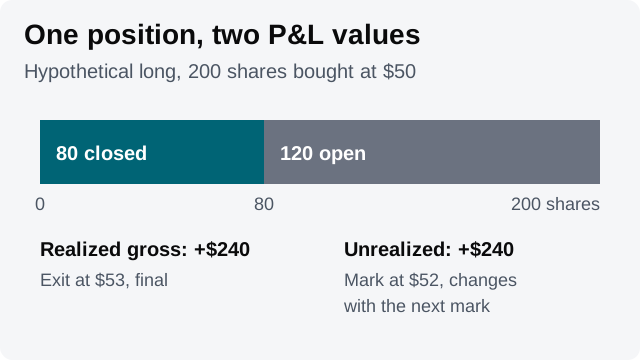
나중에 남은 120주를 $51.50에 매도하면 두 번째 청산에서 (51.50 - 50) × 120 = $180이 실현돼요. 최종 실현 총 P&L은 $420이고 포지션 수량이 0이므로 미실현 P&L은 더 이상 없어요.
Short 포지션에서는 유리한 가격 방향이 반대예요. 선물, Forex, 암호화폐, CFD 같은 상품은 설정된 Tick, 포인트, 랏 또는 계약 값을 사용해 가격 변동을 환산해야 해요. 주식 공식을 다른 상품 유형에 그대로 적용하면 안 돼요.
Tradeways는 열린 수량의 평가 가치를 미실현 P&L로 표시해요. 이 값을 계산하려면 Broker 기준 가격이 필요해요. 현재 Broker 기준 가격은 Interactive Brokers Activity Flex Query의 Open Positions 섹션에서만 가져오고, 주식과 ETF 포지션에만 해당해요. 기준 가격이 없는 열린 Trade에는 실현 P&L만 표시돼요. 다른 방식으로 가져온 Trade, Open Positions 섹션 없이 가져온 Interactive Brokers Trade, 주식과 ETF가 아닌 포지션이 여기에 해당해요.
위의 Trade에서 두 번째 매도 전 상태를 예로 들어 볼게요. 두 체결에 각각 $1의 수수료가 기록되어 있어요. 이 체결을, 주식을 $52로 평가한 9월 30일자 Open Positions 보고서와 함께 가져와요.
| Trade의 값 | 계산 | 금액 |
|---|---|---|
| 실현 총 P&L | (53 - 50) × 80 | $240 |
| 9월 30일 기준 가격의 미실현 P&L | (52 - 50) × 120 | $240 |
| 총 P&L | 240 + 240 | $480 |
| 수수료 | 두 체결에 각각 $1 | −$2 |
| Trade 헤더의 순손익 | 480 - 2 | $478 |
통화 표시 모드에서 Trade 헤더에는 순손익으로 $478이 표시되고, 그 아래에 "미실현 P&L"과 "기준" 표시, 그리고 보고서 날짜가 나와요. 이 수치에는 미실현 부분이 포함돼요. 날짜는 페이지를 연 시점이 아니라 기준 가격의 시점이에요. Tradeways는 실시간 시세가 아니라 파일에 있는 보고서 날짜의 기준 가격을 사용하므로, 더 최신 보고서를 가져오기 전까지 미실현 부분은 $240로 유지돼요. Broker 파일의 미실현 P&L은 비교용으로만 보관하고, Tradeways는 매매일지에 있는 열린 FIFO 랏에서 미실현 P&L을 다시 계산해요.
미실현 부분은 최종 결과가 필요한 집계에서도 제외돼요. 캘린더, 승률, 기타 통계는 청산된 Trade만 집계해요. 계좌 잔고에는 기준 가격이 있는 열린 포지션의 마지막 미실현 P&L이 포함되고, 포함될 때는 그렇게 표시돼요.
포지션을 청산하면 기준 가격은 제거돼요. $51.50의 두 번째 매도에도 $1의 수수료가 붙으면 순손익은 최종 총액 $420에서 수수료 $3을 뺀 $417이 되고, 미실현 표시는 사라져요.
서로 다른 가격에서 진입했다면 매칭 방식이 어느 진입 수량을 청산하는지 결정해요. Tradeways는 먼저 들어온 수량을 먼저 매칭하는 FIFO, 즉 선입선출을 사용해요.
100주씩 두 번 진입하며 첫 번째 가격은 $50, 두 번째는 $54라고 해 볼게요. $55에 120주를 매도하면 FIFO에서 $50 진입의 100주 전부와 $54 진입의 20주가 청산돼요. 두 번째 진입에서 80주가 미결제로 남아요. 실현 P&L은 매칭된 두 부분에서 나오고, 미실현 P&L은 남은 80주와 현재 기준 가격으로 계산해요.
다른 플랫폼이 다른 매칭 방식을 쓰면 포지션을 완전히 청산하기 전에는 실현 및 미실현 분할이 다를 수 있어요. 어느 결과가 틀렸다고 판단하기 전에 체결, 매칭 방식, 남은 랏을 비교하세요.
검토할 때 다음 값을 구분하세요.
수수료는 다른 통화나 날짜로 들어올 수 있어요. 필요한 환율이 없으면 매매일지는 해당 금액을 제외하고 합계를 미완료로 표시할 수 있어요. 미완료 합계는 0이 아니에요.
두 P&L 수치가 일치하지 않으면 다음 순서로 입력값을 확인하세요.
이 순서로 Trade 기록, 매칭 방식, 기준 가격, 비용 계산 중 어디에서 차이가 생겼는지 찾을 수 있어요.
최대 유리 변동폭은 Trade 보유 중 관측된 가장 좋은 미결제 P&L이에요. 최대 불리 변동폭은 가장 나쁜 값이에요. 최종 실현 결과가 아니라 Trade가 진행된 경로를 설명해요.
따라서 하나의 Trade가 특정 실현 결과로 끝나도 MFE와 MAE는 서로 다른 값을 가질 수 있어요. 시장 데이터가 없거나 계산이 완료되지 않았다면 해당 변동폭 지표는 대기 상태로 남을 수 있어요. 누락된 지표를 0으로 처리하지 말고 출처와 상태를 표시하세요.
Tradeways는 매칭된 체결에서 실현 P&L을 계산하고 기준 가격이 있으면 평가된 미결제 P&L을 추가할 수 있어요. 검토에 수치를 사용하기 전에 Trade 상세에서 체결, 총액과 순액, 조정, 변동폭 상태를 비교하세요.