블로그
트레이딩 기댓값: 계산하고 표본 확인하기
정해진 Trade 집합으로 트레이딩 기댓값을 계산하세요. 비용, 결과가 0인 Trade, 계산기 입력값을 차례로 정리하고, 다시 계산할 수 있는 매매일지 노트로 저장하세요.
읽기 10분Dennis Jahn#용어집#지표
트레이딩에는 위험이 따릅니다. Tradeways는 매매일지 및 분석 소프트웨어를 제공하며, 투자 자문을 제공하지 않습니다. 위험 고지 읽기.
관련
블로그
정해진 Trade 집합으로 트레이딩 기댓값을 계산하세요. 비용, 결과가 0인 Trade, 계산기 입력값을 차례로 정리하고, 다시 계산할 수 있는 매매일지 노트로 저장하세요.
읽기 10분Dennis Jahn#용어집#지표
트레이딩에는 위험이 따릅니다. Tradeways는 매매일지 및 분석 소프트웨어를 제공하며, 투자 자문을 제공하지 않습니다. 위험 고지 읽기.
관련
Tradeways를 개선하기 위해 분석을 포함한 쿠키를 사용해요. · 개인정보
과거 트레이딩 기댓값은 정해진 표본에서 Trade당 평균 결과예요. 비용을 반영한 결과를 모두 더한 뒤 Trade 수로 나누면 돼요. 값이 양수이면 그 표본의 평균이 양수라는 뜻이에요. 다음 Trade나 다음 표본에서 어떤 결과가 나올지를 알려 주지는 않아요.
수치를 확인하려면 계좌, 전략, 기간, 단위를 일관되게 유지하세요. 이 예시에서는 트레이딩 기댓값 계산기에서 비용과 결과가 0인 Trade를 처리하는 방법과, 계산한 내용을 매매일지에 기록하는 방법을 보여 줘요.
결과를 검증할 수 있는 청산된 Trade를 사용하세요. 결과가 0인 Trade를 포함해 표본 정의에 맞는 Trade를 모두 넣으세요.
결과는 하나의 계좌 통화나 R 배수로 나타낼 수 있어요. Trade당 R로 계산하려면 평균을 내기 전에 각 Trade의 결과를 그 Trade의 초기 위험으로 나누세요. 통화 합계를 임의의 위험 금액으로 나눠 놓고 평균 R이라고 부르지 마세요.
다음은 청산된 Trade 20건으로 구성된 가상 표본이에요. 모든 Trade의 초기 위험은 같고, Trade마다 비용은 0.05R이에요. 계산을 쉽게 확인할 수 있도록 건수를 정했을 뿐이며, 20건이 검증 기준이라는 뜻은 아니에요.
| 비용 반영 전 결과 | Trade 수 | 비용 반영 전 합계 |
|---|---|---|
| +1.50R | 8 | +12.00R |
| −0.75R | 8 | −6.00R |
| 0R | 4 | 0R |
| 합계 | 20 | +6.00R |
비용은 20 × 0.05R = 1R이에요. 이 값을 한 번만 빼면 6R − 1R = 비용 반영 후 5R이에요. 이를 Trade 20건 전체로 나누면 Trade당 0.25R이에요.
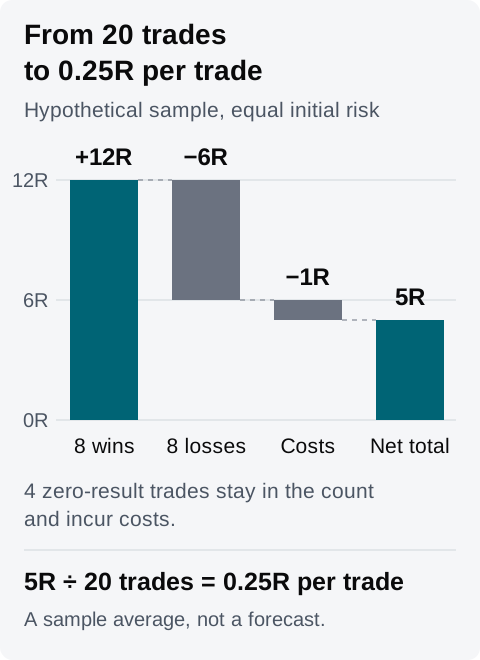
기록된 Trade 결과에 이미 비용이 포함되어 있다면 그 순결과를 더한 뒤 20으로 나누세요. 같은 수수료를 다시 빼면 평균이 실제보다 낮게 나와요.
계산기는 승률, 평균 수익, 평균 손실, Trade당 비용을 결합해요. 손실률은 100%에서 승률을 뺀 값으로 설정되므로, 두 번째 그룹에는 수익이 나지 않은 Trade가 모두 들어가요. 표본에 결과가 0인 Trade가 있다면 그 그룹의 평균에 포함하세요.
예시에서는 수익 Trade 8건이므로 승률은 8 ÷ 20 = 40%예요. 나머지 12건은 손실 8건과 0인 Trade 4건이에요. 이들의 비용 반영 전 손실 합계는 6R이므로 계산기의 평균 손실 입력값은 6R ÷ 12 = 0.50R이에요. 손실 Trade 8건만의 평균은 0.75R이지만, 이 계산기의 60% 비수익 그룹에 사용할 입력값은 아니에요.
기댓값 계산기에 다음 값을 입력하세요.
| 입력값 | 값 | 산출 방법 |
|---|---|---|
| 승률 | 40% | 20건 중 수익 Trade 8건 |
| 평균 수익 | 1.50R | 12R을 수익 Trade 8건으로 나눈 값 |
| 평균 손실 | 0.50R | 6R을 비수익 Trade 12건으로 나눈 값 |
| Trade당 비용 | 0.05R | 1R을 전체 Trade 20건으로 나눈 값 |
| Trade 수 | 20 | 정해진 표본의 모든 청산 Trade |
계산식은 0.40 × 1.50R − 0.60 × 0.50R − 0.05R = Trade당 0.25R이에요. 20을 곱하면 위 기록과 같은 합계 5R이 나와요.
이 예시는 비용을 따로 빼기 때문에 비용 반영 전 결과를 기준으로 Trade를 분류해요. 비용 반영 후 결과를 사용한다면 그 순결과로 분류하고 평균을 내며, 별도의 비용 입력값은 0으로 설정하세요. 매매일지가 Breakeven Trade를 어떻게 분류하는지 확인하지 않은 채 승률을 그대로 옮겨 오지 마세요.
위의 손익 및 비용 입력값은 그대로 두고 승률만 30%로 바꿔 보세요. 계산된 평균은 0.30 × 1.50R − 0.70 × 0.50R − 0.05R = Trade당 0.05R이 돼요. 승률이 10%포인트 바뀌자 모델의 평균이 0.20R 줄었어요.
이는 가상 시나리오이며, 두 번째로 관찰한 표본이 아니에요. 어떤 입력값이 기록에서 나왔고 어떤 입력값을 직접 바꿨는지 적어 두세요.
계산기의 예상 합계는 평균에 입력한 Trade 수를 곱한 값이에요. Trade 수를 20에서 200으로 바꾸면 예상 합계가 5R에서 50R로 커져요. Trade 기록이 늘어나는 것도 아니고, 평균이 유지된다는 근거가 생기는 것도 아니에요. 예상 합계도, 양수인 과거 평균도 어떤 포지션 크기를 써야 하는지 알려 주지 않아요.
다시 확인할 수 있도록 수치의 근거가 된 기록을 사용하세요.
Widget 값이 비어 있거나 일부만 표시된다고 해서 0은 아니에요. 해석하기 전에 누락된 입력값을 확인하세요. Widget 문서에서 계좌, 필터, 데이터 상태를 설명해요.
위 가상 표본이라면 작성을 마친 노트는 다음과 같을 수 있어요.
연습 계좌, 전략 A, 2026년 9월 14–18일, Europe/Zurich. 이 범위에 맞는 청산된 Trade 20건을 모두 포함했어요. 이 예시에서는 모든 Trade의 초기 위험이 같아요.
비용 반영 전: +1.50R 8건, −0.75R 8건, 0R 4건. 비용 반영 전 합계 6R. 비용 1R. 순합계 5R, 즉 Trade당 0.25R.
계산기 입력값: 승률 40%, 평균 수익 1.50R, 비수익 Trade 평균 결과 −0.50R(0.50R 손실로 입력), 비용 0.05R, Trade 수 20. 계산기 결과가 기록 합계와 일치해요. 60% 손실률 라벨에는 결과가 0인 Trade 4건이 포함돼요.
다른 손익 입력값은 그대로 두고 승률 30%인 가상 시나리오도 계산했어요. 결과는 Trade당 0.05R이었어요. 이 시나리오를 실제로 관찰하지 않았고, 두 평균 중 어느 쪽이 유지된다는 것도 확인하지 않았어요.
Tradeways 매매일지에 표본과 그 근거가 된 기록을 저장하세요. 과거 결과를 트레이딩 결정에 활용할 때의 한계는 위험 고지에서 확인하세요.