博客
已实现与未实现 P&L:如何核对一笔 Trade
区分未平仓、部分平仓和已平仓持仓的已实现 P&L 与按市价计算的未实现 P&L,并核对毛结果与净结果。
10 分钟阅读Dennis Jahn#术语表#指标
交易涉及风险。Tradeways 提供交易日志和分析软件,不提供投资建议。 阅读风险披露.
相关
博客
区分未平仓、部分平仓和已平仓持仓的已实现 P&L 与按市价计算的未实现 P&L,并核对毛结果与净结果。
10 分钟阅读Dennis Jahn#术语表#指标
交易涉及风险。Tradeways 提供交易日志和分析软件,不提供投资建议。 阅读风险披露.
相关
我们使用 Cookie(包括分析类)来改进 Tradeways。 · 隐私
已实现 P&L 是已平仓数量产生的盈利或亏损。未实现 P&L 是仍未平仓数量按当前标记价估值后的盈利或亏损。部分平仓的持仓可以同时有这两项数据。
已完成部分使用已实现 P&L,未平仓部分的当前估值使用未实现 P&L。除非确认两者使用相同的货币、费用处理方式、持仓数量和标记时间,否则不要直接相加。
| 持仓状态 | 已实现 P&L | 未实现 P&L |
|---|---|---|
| 未平仓 | 除非已有部分平仓,否则为零 | 剩余数量按标记价计算的价值 |
| 部分平仓 | 已匹配并卖出数量的结果 | 剩余未平仓数量的价值 |
| 已平仓 | 所有已匹配成交的最终结果 | 无,因为没有剩余未平仓数量 |
已实现不一定表示净额。已实现毛 P&L 来自已匹配的入场和出场成交。已实现净 P&L 还计入系统支持的佣金和调整。比较两个总额前,先确认 Broker 对账单、日志或图表显示的是哪一种数值。
未实现 P&L 取决于标记价,并会随标记价变化。标记价缺失、延迟或来源不同,都可能使两个系统在成交记录一致时仍显示不同的未平仓 P&L。
假设你以 $50 买入 200 股,以 $53 卖出 80 股,剩余 120 股的标记价为 $52。此例假设股票合约乘数为 1,且不计费用。
(53 - 50) × 80 = $240。(52 - 50) × 120 = $240。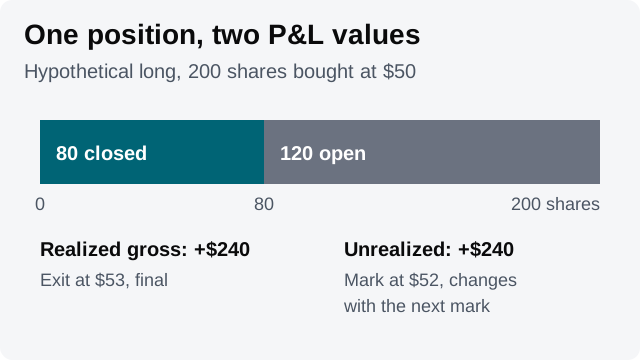
如果之后以 $51.50 卖出剩余 120 股,第二次平仓实现 (51.50 - 50) × 120 = $180。最终已实现毛 P&L 为 $420;持仓已清零,因此不再有未实现 P&L。
Short 持仓的有利价格方向相反。期货、Forex、加密货币和 CFD 等工具的价格变动,必须通过该工具配置的 Tick、点值、手数或合约价值换算。不能把股票公式直接套用于其他工具类型。
Tradeways 把未平仓数量按标记价计算的价值称为浮动 P&L。它需要 Broker 提供的标记价。目前,Broker 标记价只来自 Interactive Brokers Activity Flex Query 的 Open Positions 部分,且仅适用于股票和 ETF 持仓。没有标记价的未平仓 Trade 只显示已实现 P&L。这包括来自其他导入方式的 Trade、导入时未包含 Open Positions 部分的 Interactive Brokers Trade,以及股票和 ETF 以外的持仓。
沿用上面的 Trade,取第二次卖出之前的状态,两笔成交各记录 $1 佣金。你把这些成交与一份日期为 9 月 30 日的 Open Positions 报告一起导入,报告把该股票的标记价定为 $52。
| Trade 中的数值 | 计算 | 金额 |
|---|---|---|
| 已实现毛 P&L | (53 - 50) × 80 | $240 |
| 9 月 30 日标记价下的浮动 P&L | (52 - 50) × 120 | $240 |
| 毛 P&L | 240 + 240 | $480 |
| 佣金 | 两笔成交各 $1 | −$2 |
| Trade 标题中的净盈亏 | 480 - 2 | $478 |
在货币显示模式下,Trade 标题把 $478 显示为净盈亏,下方标有“浮动 P&L · 截至”和报告日期。这个数值包含浮动部分。该日期属于标记价,而不是你打开页面的时间。Tradeways 使用文件中报告日期的标记价,而不是实时报价,因此在你导入更新的报告之前,浮动数值会一直保持为 $240。Broker 文件中的未实现 P&L 仅供对照;Tradeways 会根据日志中未平仓的 FIFO 批次重新计算浮动 P&L。
需要最终结果的统计不会计入浮动部分。日历、胜率和其他统计只统计已平仓的 Trade。账户余额包含带标记价的未平仓持仓最近一次可用的浮动 P&L,并会在包含时予以说明。
持仓平仓后,标记价会被移除。如果以 $51.50 进行的第二次卖出同样产生 $1 佣金,净盈亏就变为最终 $420 毛 P&L 减去 $3 佣金,即 $417,浮动标签随之消失。
持仓有不同价格的多次入场时,匹配方法决定一次出场会平掉哪一笔入场数量。Tradeways 使用先进先出(FIFO),因此最早的未平仓数量会先被匹配。
假设有两次各 100 股的入场,第一次价格为 $50,第二次为 $54。按 FIFO,以 $55 卖出 120 股时,会平掉第一次入场的全部 100 股,以及第二次入场的 20 股。剩余未平仓数量是第二次入场的 80 股。已实现 P&L 来自两个已匹配部分;未实现 P&L 则按剩余 80 股和当前标记价计算。
如果另一个平台使用不同的匹配方法,在持仓完全平仓前,它划分的已实现与未实现 P&L 可能不同。不要立即认定其中一个结果错误,应先比较成交、匹配方法和剩余批次。
核查时应区分以下数值:
费用可能使用另一种货币,也可能在另一个日期入账。如果缺少所需的换算率,日志可能排除这笔金额,并把总额标记为不完整。不完整的总额并不等于零。
两个 P&L 数值不一致时,按以下顺序检查输入:
这套顺序可以识别差异来自 Trade 记录、匹配方法、标记价还是成本计算。
最大有利偏移是 Trade 持有期间观察到的最佳未平仓 P&L。最大不利偏移则是最差值。它们描述 Trade 的路径,而不是最终已实现结果。
因此,一笔 Trade 可以有一个最终已实现结果,同时显示不同的 MFE 和 MAE。如果缺少市场数据或计算尚未完成,这些偏移指标可能会保持待处理状态。应保留该来源状态,不要把缺失指标当作零。
Tradeways 根据已匹配成交计算已实现 P&L,并可在有标记价时加入按市价计算的未平仓 P&L。在 Trade 详情中使用数值进行复盘前,请比较成交、毛额与净额、调整和偏移状态。