نستخدم ملفات تعريف الارتباط، بما في ذلك التحليلات، لتحسين Tradeways. · الخصوصية
P&L المحقق هو الربح أو الخسارة من الكمية التي أغلقتها. أما P&L غير المحقق فهو الربح أو الخسارة في الكمية التي ما زالت مفتوحة، مقيمة بسعر حالي. وقد يجمع المركز المغلق جزئيًا بين النوعين في الوقت نفسه.
استخدم P&L المحقق للجزء المكتمل من Trade، واستخدم P&L غير المحقق لمعرفة القيمة المقدرة للجزء المفتوح. لا تجمعهما قبل التأكد من استخدامهما العملة نفسها ومعالجة الرسوم نفسها وكمية المركز نفسها ووقت التسعير نفسه.
لا تعني كلمة «محقق» دائمًا أنه صافي. ينتج إجمالي P&L المحقق من مطابقة عمليات الدخول والخروج. أما صافي P&L المحقق فيشمل أيضًا العمولات والتعديلات المدعومة. تحقق من القيمة التي يعرضها كشف Broker أو السجل أو المخطط قبل مقارنة إجماليين.
يعتمد P&L غير المحقق على سعر حالي، ويتغير عندما يتغير هذا السعر. وقد يؤدي غياب السعر أو تأخره أو اختلاف مصدره إلى عرض قيمتين مختلفتين لـP&L المفتوح في نظامين رغم تطابق عمليات التنفيذ.
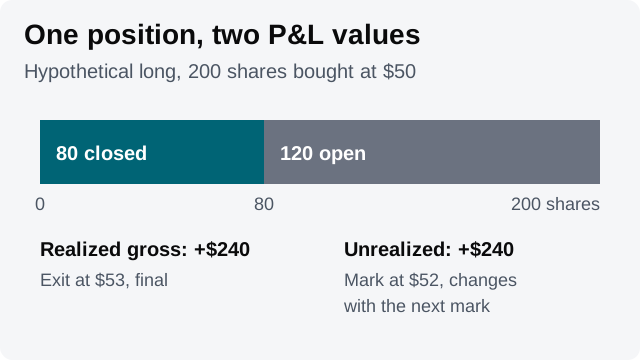
لنفترض أنك اشتريت 200 سهم بسعر $50، ثم بعت 80 سهمًا بسعر $53، وكان السعر الحالي للأسهم الـ120 المتبقية هو $52. يفترض المثال معامل عقد يساوي واحدًا ولا يشمل الرسوم.
طابق الكمية المغلقة. يغلق البيع 80 سهمًا من أصل 200.
أبق القيمتين منفصلتين. لدى Trade إجمالي P&L محقق بقيمة $240 وP&L غير محقق بقيمة $240 عند السعر المذكور.
Trade افتراضية. تُقيَّم الكمية المغلقة والكمية المفتوحة كلٌّ على حدة: الجزء المحقق بسعر الخروج، والجزء المفتوح بسعر التقييم.
إذا بعت لاحقًا الأسهم الـ120 المتبقية بسعر $51.50، يحقق الإغلاق الثاني (51.50 - 50) × 120 = $180. يصبح إجمالي P&L المحقق النهائي $420، ولا يبقى P&L غير محقق لأن المركز أصبح صفرًا.
ينعكس اتجاه السعر الملائم في مركز Short. وفي أدوات مثل العقود الآجلة وForex والعملات المشفرة وCFDs، يجب تحويل حركة السعر باستخدام قيم Tick أو النقطة أو Lot أو العقد المضبوطة للأداة. لا تطبق معادلة الأسهم على جميع أنواع الأدوات.
يسمي Tradeways القيمة المقدرة للكمية المفتوحة «P&L الجاري»، وهو يحتاج إلى سعر تقييم من Broker. تأتي أسعار التقييم من Broker حاليًا من قسم Open Positions في Activity Flex Query لدى Interactive Brokers فقط، ولمراكز الأسهم وصناديق ETF فقط. تعرض Trade المفتوحة التي لا يتوفر لها سعر تقييم P&L المحقق فقط. ويشمل ذلك Trades المستوردة من مصادر أخرى، وTrades الخاصة بـInteractive Brokers المستوردة دون قسم Open Positions، والمراكز غير الأسهم وصناديق ETF.
خذ Trade أعلاه قبل عملية البيع الثانية، مع عمولة قدرها $1 مسجلة على كل من عمليتي التنفيذ. تستورد عمليات التنفيذ مع تقرير Open Positions بتاريخ 30 سبتمبر يقيّم السهم بسعر $52.
القيمة في Trade
الحساب
المبلغ
إجمالي P&L المحقق
(53 - 50) × 80
$240
P&L الجاري عند سعر تقييم 30 سبتمبر
(52 - 50) × 120
$240
إجمالي P&L
240 + 240
$480
العمولة
$1 على كل من عمليتي التنفيذ
−$2
صافي P&L في رأس Trade
480 - 2
$478
في وضع العرض بالعملة، يعرض رأس Trade القيمة $478 بوصفها صافي P&L، وتحتها «P&L الجاري · اعتبارًا من» وتاريخ التقرير. تشمل هذه القيمة الجزء الجاري. ينتمي التاريخ إلى سعر التقييم، لا إلى لحظة فتح الصفحة. يستخدم Tradeways سعر التقييم بتاريخ التقرير من الملف، لا سعرًا مباشرًا، ولذلك تبقى قيمة P&L الجاري عند $240 إلى أن تستورد تقريرًا أحدث. يُحتفظ بـP&L غير المحقق الوارد في ملف Broker للمقارنة فقط؛ ويعيد Tradeways حساب P&L الجاري من دفعات FIFO المفتوحة في سجلك.
ويبقى الجزء الجاري خارج النتائج التي تتطلب نتيجة نهائية. يحتسب التقويم ونسبة الربح والإحصاءات الأخرى Trades المغلقة فقط. أما رصيد الحساب فيتضمن آخر P&L جارٍ متاح للمراكز المفتوحة التي لها سعر تقييم، ويذكر ذلك عندما يحدث.
عند إغلاق المركز يُزال سعر التقييم. وإذا حملت عملية البيع الثانية بسعر $51.50 عمولة قدرها $1 أيضًا، يصبح صافي P&L هو الإجمالي النهائي $420 ناقص عمولة $3، أي $417، وتختفي تسمية «الجاري».
عندما تدخل المركز بأسعار مختلفة، تحدد طريقة المطابقة كمية الدخول التي يغلقها كل خروج. يستخدم Tradeways طريقة الوارد أولًا صادر أولًا، أو FIFO، ولذلك يطابق أقدم كمية مفتوحة أولًا.
لنفترض وجود عمليتي دخول، كل منهما 100 سهم، الأولى بسعر $50 والثانية بسعر $54. يغلق بيع 120 سهمًا بسعر $55 كامل الأسهم الـ100 من الدخول الأول و20 سهمًا من الدخول الثاني وفق FIFO. وتبقى 80 سهمًا مفتوحة من الدخول الثاني. يأتي P&L المحقق من الجزأين المتطابقين، بينما يستخدم P&L غير المحقق الأسهم الـ80 المتبقية والسعر الحالي.
إذا استخدمت منصة أخرى طريقة مطابقة مختلفة، فقد يختلف توزيع P&L المحقق وغير المحقق قبل إغلاق المركز بالكامل. قارن عمليات التنفيذ وطريقة المطابقة والكميات المتبقية قبل اعتبار أي نتيجة خاطئة.
إجمالي P&L المحقق هو نتيجة حركة السعر المطابقة قبل العمولة.
صافي P&L المحقق يشمل العمولات والتعديلات المدعومة.
P&L غير المحقق يقيّم الكمية المفتوحة بسعر حالي.
إجمالي P&L المقدر يجمع P&L المحقق وغير المحقق فقط عندما تتطابق العملة ومعالجة التكاليف.
قد ترد الرسوم بعملة أخرى أو في تاريخ آخر. إذا لم يتوفر سعر التحويل المطلوب، فقد يستبعد السجل ذلك المبلغ ويصنف الإجمالي على أنه غير مكتمل. الإجمالي غير المكتمل لا يساوي صفرًا.
MFE هو أفضل P&L مفتوح رُصد أثناء الاحتفاظ بـTrade. وMAE هو أسوأ قيمة. يصف هذان المقياسان مسار Trade، لا نتيجتها المحققة النهائية.
لذلك قد تنتهي Trade بنتيجة محققة معينة مع قيم مختلفة لـMFE وMAE. وإذا كانت بيانات السوق مفقودة أو لم تكتمل الحسابات، فقد تظل مقاييس الحركة معلقة. أبقِ مصدر القيمة وحالتها ظاهرين بدل معاملة المقياس المفقود كأنه صفر.
يحسب Tradeways قيمة P&L المحققة من عمليات التنفيذ المتطابقة، ويمكنه إضافة P&L المقدر للمركز المفتوح عند توفر السعر. في تفاصيل Trade، قارن عمليات التنفيذ والقيم الإجمالية والصافية والتعديلات وحالة مقاييس الحركة قبل استخدام الرقم في المراجعة.